One finish line = Triathlete for life.
There’s no one way to look like a triathlete. No particular body, background or finish time. And you don’t have to make it your whole personality.
Maybe it’s been on your bucket list for years. Maybe you’re just starting to think, “could I?”
Once you finish your first triathlon, you get to say “I’m a triathlete.” For life. Do one. Do a hundred. That first finish is always yours.
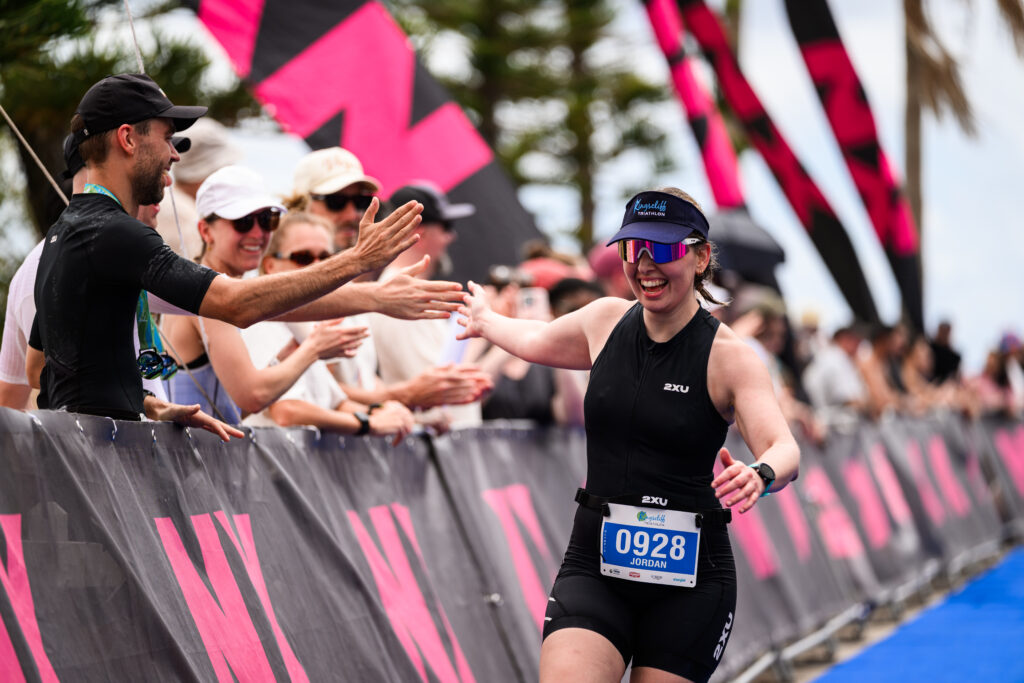
First things first. You belong here.
Full bragging rights
Pick a distance that suits your current ability and gives you time to prepare.
Fancy suit…not required
Comfortable, suitable clothing can do the job. We’ll explain your options below.
Walking counts
Pace yourself and complete a distance to your ability. We’re here to support you along the way.
Questions welcomed
Unsure about gear, access or how the day works? Ask the team – we’d love to help.
Small start. Big finish line feeling.
Triathlon goes swim, bike, run, in that order.
The changeovers are called transitions, and the clock keeps running while you switch gear.
Shorter events let you learn how the pieces fit together. Look beyond the distance too: the swim setting, bike terrain and number of run laps all matter.
Short course triathlons
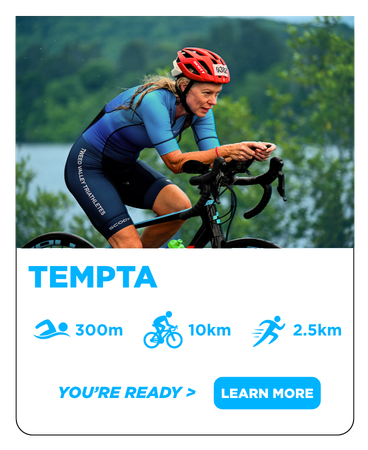
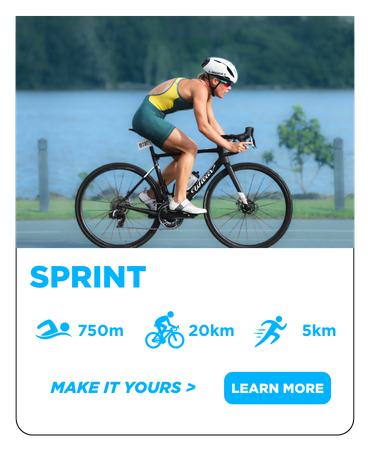
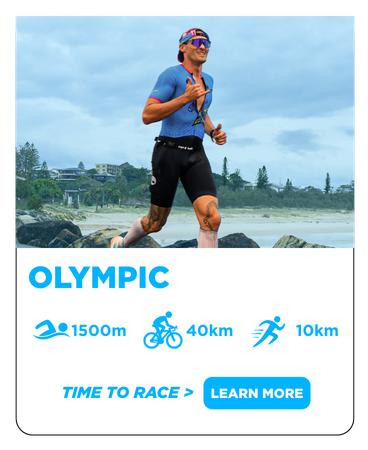
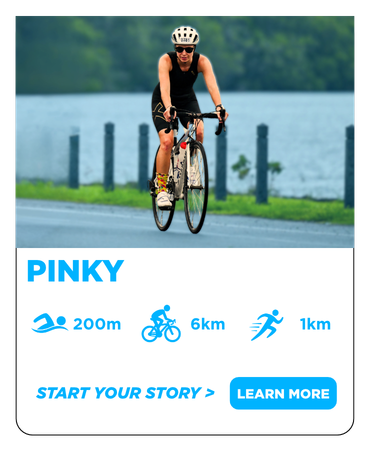
The full swim-bike-run experience over a shorter course. Names such as Discover, Enticer, Tempta and Super Sprint vary between events, distances and age categories.
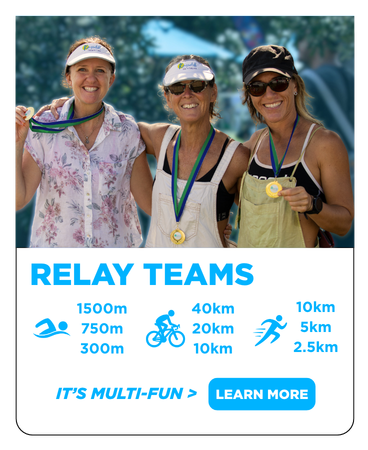
Relay teams
Share the fun with teammates. A good way to take part through the activity you already enjoy. Tag your teammate in the transition zone.
Aquathlon
Swim, then run. Fewer pieces of kit to organise, with a swim distance and setting you still need to prepare for.
Aquabike
Aquabike combines swim and bike. Different combinations suit different interests. Distances can vary.
Less shopping. More starting.
Start with what you have, check it suits the event, then fill the gaps if you need.
Bring the basics
• A suitable bike in safe working order and a properly fitting, compliant helmet.
• Goggles and suitable swimwear. We’ll give you the swim cap.
• Comfortable running shoes and clothing for the bike and run.
• A drink bottle, sun protection and any personal essentials.
• Anything else required in the Athlete Guide.
Useful extras
A small towel, socks, a hat, sunglasses and a race belt can make the day easier. Pack bike repair equipment you know how to use.
Optional upgrades
A tri suit, cycling shoes and a sports watch may be useful later. But they aren’t your entry ticket to the sport.
Let's Talk Bikes
Your bike doesn’t need a dramatic backstory… the one you have is usually fine as long as it’s in working order.
Sorry no e-bikes. This is pure pedal power all the way!
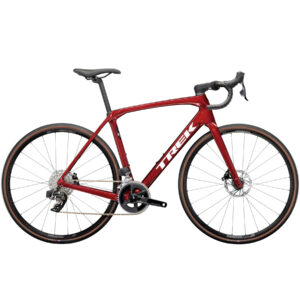
Option 1: Road Bike or drop bars
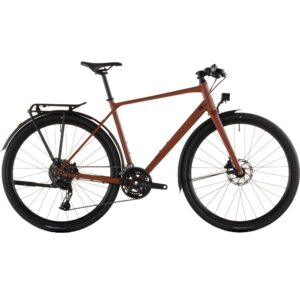
Option 2: Flat Bar or MTB
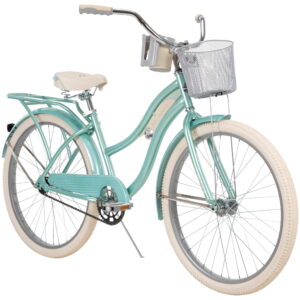
Option 3: Cruiser
What To Wear
Option 1: Swimwear + suitable sports clothing
Swim in suitable swimwear, then add comfortable shorts and a top for the bike and run as needed. Practice putting them on while damp. Choose quick-drying fabrics if possible.
Option 2: A tri suit
Designed for all three disciplines, with light padding for the bike. You can wear it throughout. Convenient, but optional.
Make friends with the water.
A pool, creek, and ocean can feel very different. Check the course conditions and prepare for the water you’ll actually be swimming in.
Build the ability to cover your chosen distance, navigate and manage the conditions. Race day should not be your first experience of that swim environment.
Not all swimming looks like freestyle. Other strokes are permitted under AusTriathlon rules. Be mindful of people around you.
Need help in the water? Raise an arm and call for assistance. Follow the water safety team’s directions.
If you’re unsure you’re ready, speak with a qualified coach or the event team before entering.
Wet feet. Bike helmet. What happens next?
This is where your bike and gear wait while you swim, and where you change between activities. T1 means swim to bike. T2 means bike to run.
Before the start, find your allocated spot and walk the routes from Swim In to your bike, then Bike Out, Bike In and Run Out. Use fixed landmarks to remember your row. Other people’s bikes tend to leave.
Keep your kit within your allocated space and the pathways clear. Follow the event team’s instructions for racking and storing bags.
T1: swim → bike
1. Find your spot.
2. Remove swim gear; put on bike/run clothing and shoes as needed.
3. Fasten your helmet before taking your bike off the rack.
4. Walk your bike to Bike Out.
5. Mount beyond the marked mount line, as directed.
T2: bike → run
1. Dismount before the marked dismount line.
2. Walk to your spot and rack your bike.
3. Release the bike, then undo your helmet.
4. Change shoes if needed; collect your run gear.
5. Follow Run Out.
Practise the sequence calmly at home. You don’t need a flying mount to have a very good day.
Keep it simple: helmet, shoes and the gear you’ll use next. Your allocated space is a pit stop, not a picnic site.
Your day, minus the guesswork.
1. Arrive with a plan
Check parking, access and all closing times beforehand. Leave enough time for check-in, setup and the briefing.
2. Collect your race essentials
Follow the instructions for registration, race numbers and timing equipment. Some events have collection or bike-racking requirements before race day.
3. Set up and get your bearings
Find your allocated space, arrange your gear and walk the transition routes. Locate the toilets, start and information point.
4. Listen to the briefing
Check your start procedure, route, lap counts and any changes. Ask if something is unclear.
5. Swim. Bike. Run. Your pace.
Start steadily. Follow signs, officials and the course rules. Keep aware of others and use the designated places to pass, stop or take aid. Check the current drafting and overtaking instructions before riding.
6. Finish, celebrate, collect
Follow the finish-area instructions, return timing equipment if required and collect your gear when transition reopens. Your support crew can handle the enthusiastic photo direction.
Give race-day you a head start.
Get comfortable in each activity
Work towards your chosen distances and conditions. A qualified coach or your local tri club can help you choose preparation that suits your starting point.
Put two activities together
Try an easy bike ride followed by a short run or walk-run. Your legs may need a moment to renegotiate their job description. Keep it manageable.
Rehearse the fiddly bits
Test your goggles, outfit, helmet, shoes and transition sequence. Practice controlling your bike, braking, turning and using your gears.
For training support, start with AusTriathlon’s beginner resources.
Yep, you can ask that.
Do I have to be fast?
Your goal can be completing your first event. Choose a distance you can prepare for and race within your limits.
Do I get changed between activities?
Many people wear the same base outfit throughout and add or remove layers. The clothing examples above explain two options. Check the requirements and practice your setup.
What if I need to stop?
Tell an official or a crew member if you need help or want to withdraw. Follow their directions and let timing know if instructed. Looking after yourself matters more than finishing.
Can a friend join me on course?
Check the event's entry and support rules. Don't assume an unregistered friend can accompany you, provide assistance or enter transition.
That finish-line grin? It could be yours.
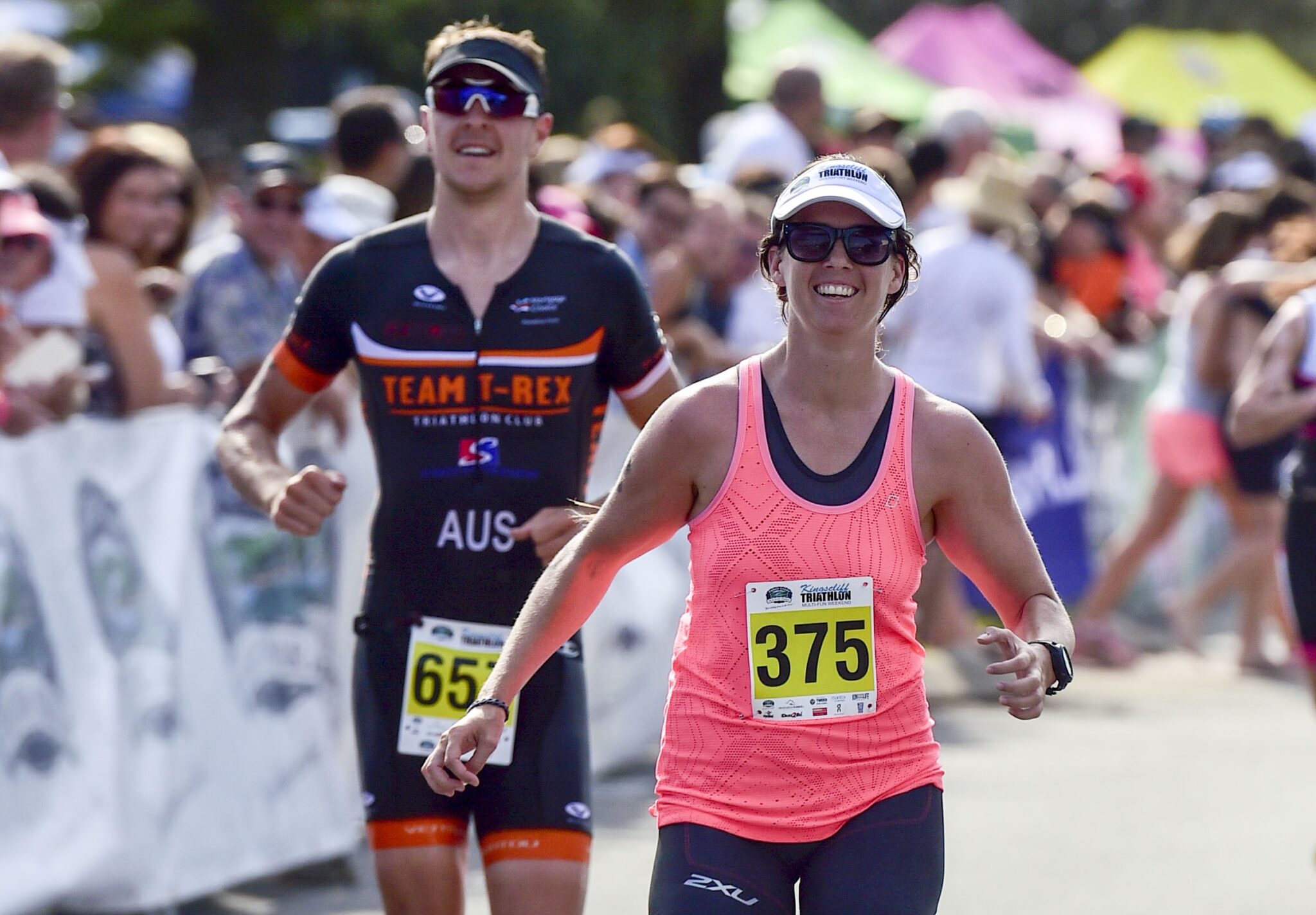
Pick your challenge. Make a little room for practice. Bring your questions. There’s a pretty good story waiting on the other side.